Machinery loan

The machine pays for itself, and secures itself.

Equipment finance matches the repayment schedule to the asset's working life — and for listed sectors, CLCSS may cut the cost before you borrow.

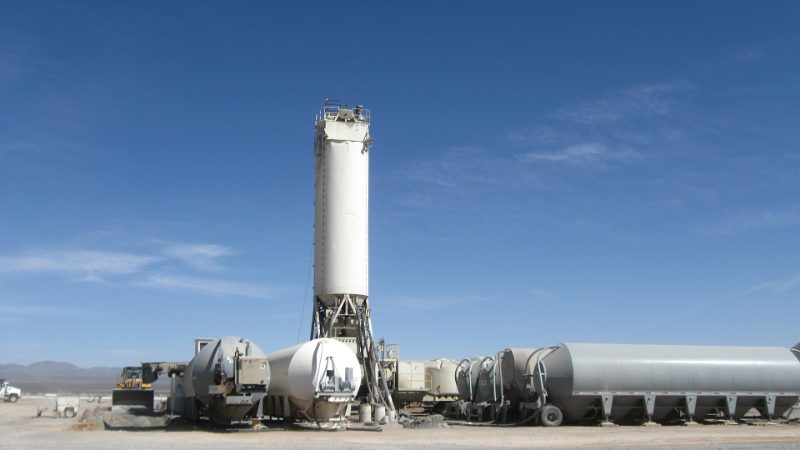
Industrial machinery financed through an equipment loan
Who it suits

Machinery Loan, in one paragraph.

A manufacturer or processor buying plant, equipment or commercial vehicles. The machine itself is hypothecated, so the rate sits below unsecured business credit — and because the asset generates the cash that repays the loan, the schedule can be matched to its productive life.

  • MSMEs upgrading or expanding production capacity.
  • Units in CLCSS-listed sectors pursuing a technology upgrade.
  • Businesses with a firm proforma invoice from an identified supplier.
  • Imported equipment, though documentation and timelines lengthen.
Key parameters

The numbers that shape the offer.

10–18% Indicative rate p.a., reducing balance
70–85% Of machinery cost typically funded
1–7 yrs Tenure, matched to the asset life

Indicative only, sourced from public lender information as of July 2026. Your actual rate, tenure and sanctioned amount are set by the lender based on your profile.

Eligibility & documents

What you need before you apply.

Most rejections at this stage are paperwork failures, not credit failures.

Eligibility criteria

  • Business vintage of 2–3 years with filed financials.
  • A specific, quoted asset — this is not general-purpose credit.
  • Promoter bureau score of 700+.
  • Margin contribution of 15–30% of the machinery cost.
  • Udyam registration for CLCSS and other MSME scheme eligibility.

Documents required

  • Entity and promoter KYC plus constitution documents.
  • Proforma invoice or quotation from the machinery supplier.
  • 2–3 years of audited financials, ITRs and GST returns.
  • 12 months of current-account statements.
  • Technical specification and expected output or capacity gain.
  • Import documentation and letter of credit papers, if applicable.
EMI calculator

See the monthly number before you commit.

Move the sliders. Nothing is submitted; this runs entirely in your browser.

₹1 lakh to ₹5 crore

%

8% to 24%. The asset secures the facility

Yr

1 to 7 years

Monthly EMI ₹0

Share of total payable that is principal versus interest
Principal
₹0
Total interest
₹0
Total payable
₹0

Indicative only, on a reducing-balance basis. Excludes processing fees, insurance and statutory charges. KredExperts does not set rates; final terms come from the lender.

Machinery Loan FAQs

The questions that come up first.

What is CLCSS and how much does it save?

The Credit Linked Capital Subsidy Scheme provides an upfront capital subsidy on eligible plant and machinery for technology upgrades in listed sectors. It is applied against the machinery cost, so it reduces what you need to borrow in the first place rather than lowering your rate. Sector lists and rates are set by the administering ministry and change — verify current eligibility before budgeting for it.

How much margin do I have to put in?

Commonly 15–30% of the machinery cost. A larger contribution lowers the lender's exposure and can improve both the rate and the approval odds, particularly for specialised equipment with a thin resale market.

Can I finance used or imported machinery?

Used machinery is financeable but at a lower funded share, a shorter tenure and a higher rate, with a valuation report required. Imported equipment is routinely financed, though letters of credit and customs documentation extend the timeline considerably.

Machinery loan or term loan — does it matter?

It usually does. A machinery loan is secured by the asset and priced accordingly, whereas a general term loan may be unsecured and cost more. If the money buys one identifiable machine, financing it as such is normally the cheaper route.

Can I claim depreciation on financed machinery?

Yes — the asset sits on your books, so depreciation is claimed in the ordinary way, and the interest is generally allowable as a business expense. Some categories attract additional depreciation. Confirm the specifics with your CA.

Find out what you actually qualify for.

Talk to a KredExperts advisor — no obligation, no spam calls.